
Soft EPE Elizabethan cat cone collar adjustable post-surgery recovery collar for small and large cats and kittens to stop licking biting wounds with folding edges for unobstructed vision and comfortable wear


Soft EPE Elizabethan cat cone collar adjustable post-surgery recovery collar for small and large cats and kittens to stop licking biting wounds with folding edges for unobstructed vision and comfortable wear
Soft EPE Adjustable Cat Cone Collar for Post-Surgery Recovery and Wound Protection

When your cat needs to recover from an operation or heal from a wound, preventing them from interfering with the site is crucial. Traditional hard plastic Elizabethan collars can be uncomfortable and distressing. This cat cone collar offers a softer alternative, constructed from lightweight EPE foam. It acts as a protective barrier to stop your cat from biting or licking injured areas, aiding both short-term postoperative healing and managing long-term anxious behaviours like excessive licking. Its design prioritises your pet's comfort while ensuring the recovery process is effective.
Features and Construction

This collar is built with specific features to address the practical challenges of pet recovery wear. The construction focuses on materials, fit, and usability to provide a workable solution for cat owners.
Material and Build
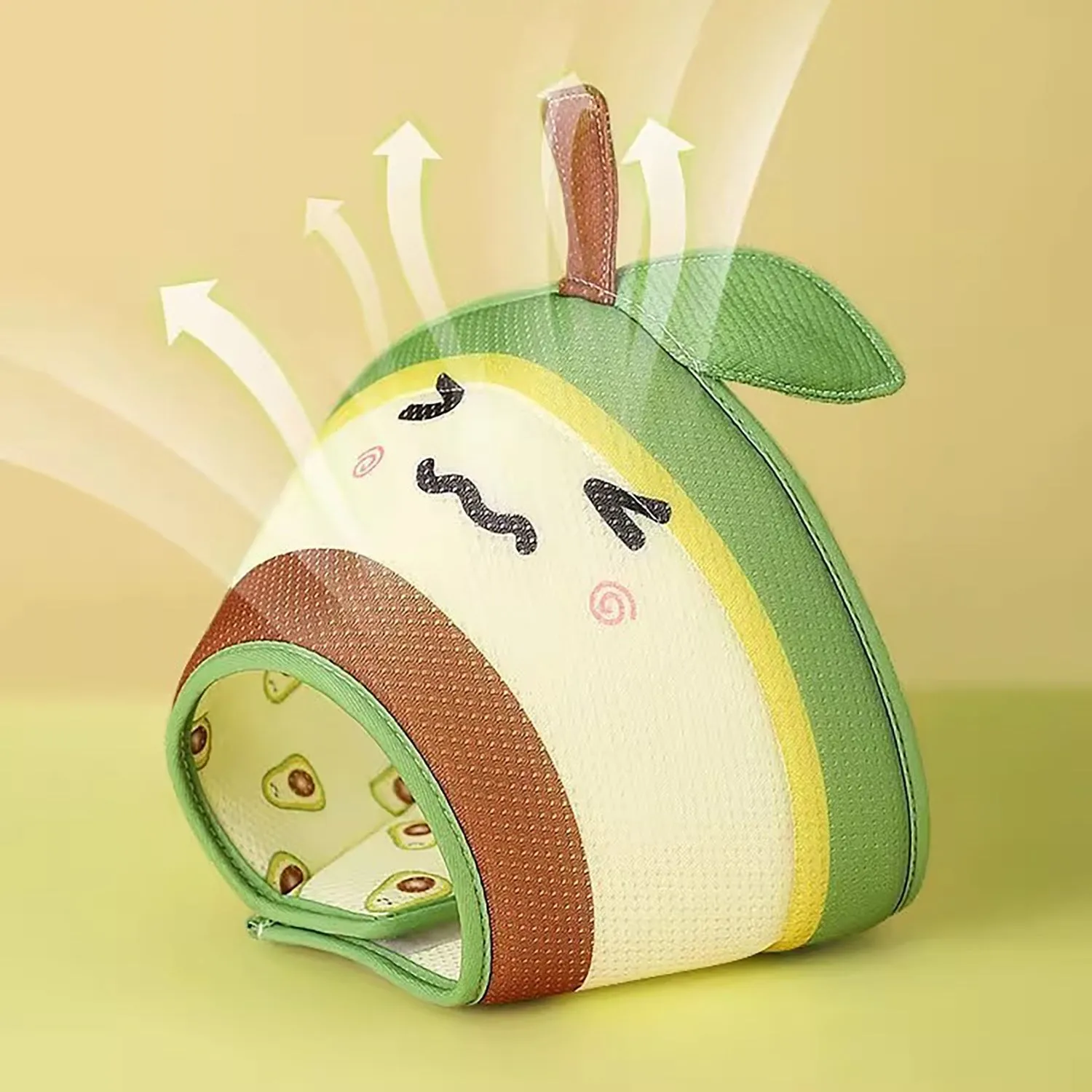
The primary material is EPE (Expanded Polyethylene) foam. This is a soft, lightweight, and breathable material chosen for its cushioning properties. It offers a gentler experience against your cat's neck and head compared to rigid plastic, reducing the risk of chafing and providing a buffer against accidental bumps. The material's breathability helps prevent overheating during extended wear.
Size and Practical Fit
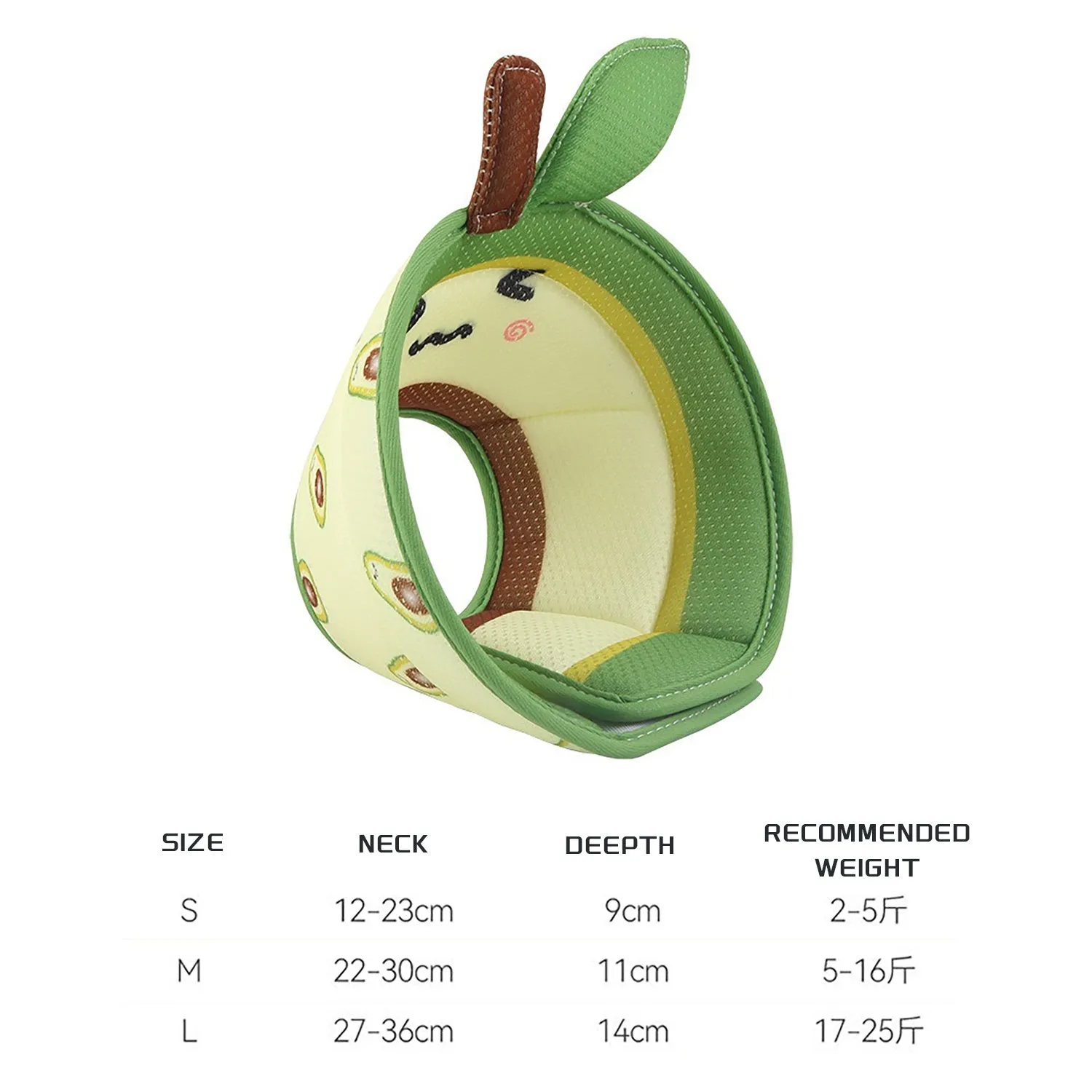
The collar is available in three sizes: Small (S), Medium (M), and Large (L). Achieving a correct fit is essential for the collar to function properly. It includes an adjustable strap that allows you to customise the tightness around your cat's neck. For security, the instructions advise tying a knot after adjustment to prevent the strap from loosening. A key fitting rule is that the depth of the cone must be greater than the length of your cat's head to ensure it cannot reach past the collar to its body.
Uses and Placement
This product serves distinct purposes depending on your cat's needs, from specific medical recovery to more general behavioural management.
Event or Professional Use
The primary intended use is for postoperative recovery following veterinary procedures such as spaying, neutering, or other surgeries. It protects stitches and surgical sites from contamination and damage caused by licking or scratching. It is also suitable for protecting wounds, skin infections, or hot spots from further irritation, allowing them to heal cleanly without your cat's interference.
Everyday Home Use
Beyond immediate medical recovery, the collar can be used long-term to deter anxious or compulsive behaviours like over-grooming, flank sucking, or chewing on fur. Its softer construction makes it more tolerable for extended wear in a home environment. The folding edge design is a practical feature for daily life, as it reduces the bulky profile that can catch on furniture and, critically, does not obstruct your cat's peripheral vision, allowing for safer navigation.
Benefits and Buying Value
The value of this product lies in its practical approach to a common pet care challenge, balancing effectiveness with considerations for animal comfort.
Reuse and Low Maintenance
The EPE foam material is easy to clean with a damp cloth, supporting reuse if needed for future incidents or for multiple pets. Its simple design with an adjustable strap means there are no complex parts to maintain or replace. The product's durability is tied to its material's ability to withstand typical pet wear without cracking, unlike brittle plastic cones.
Why Choose This Product
This collar presents a specific alternative to standard veterinary-issue cones. Its differentiators are the soft EPE foam construction for enhanced comfort, the adjustable strap for a more secure and customised fit, and the folded edge that improves visibility and reduces bulk. When selecting a recovery collar, these tangible features address common owner concerns about pet distress and collar efficacy, offering a solution grounded in these practical design choices.

