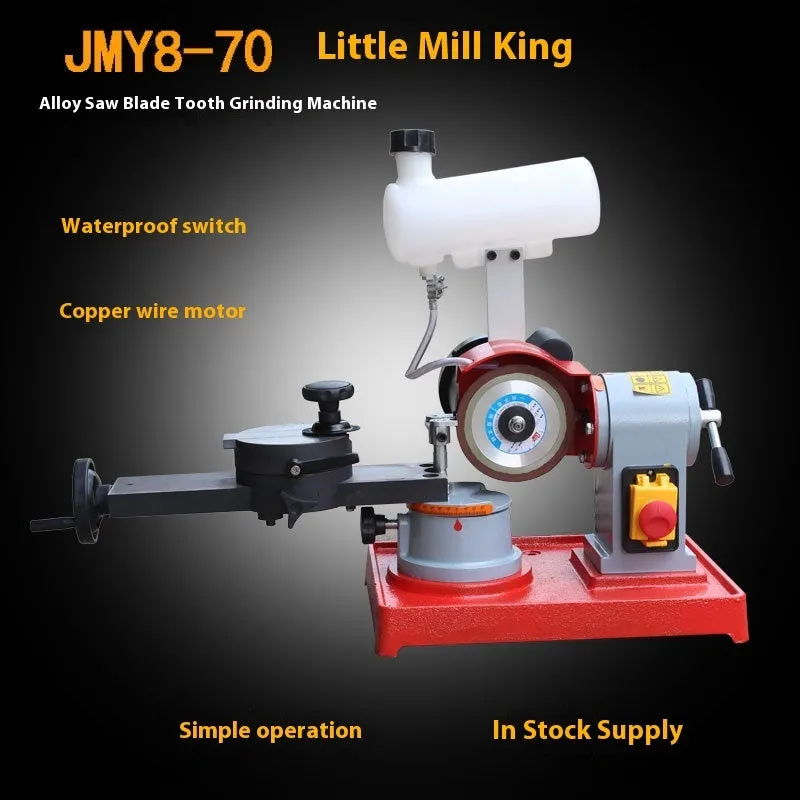
Woodworking Machinery Small Manual Sharpedge Grinding Machine for Alloy Saw Blade Teeth Gear Sharpening, 370W 220V Single-Phase Motor with Grinding Diameter Range 80-700mm, Adjustable Angle ±20°, Xiao Mo Wang Model


Woodworking Machinery Small Manual Sharpedge Grinding Machine for Alloy Saw Blade Teeth Gear Sharpening, 370W 220V Single-Phase Motor with Grinding Diameter Range 80-700mm, Adjustable Angle ±20°, Xiao Mo Wang Model
Xiao Mo Wang Manual Sharpedge Grinding Machine for Alloy Circular Saw Blade Maintenance
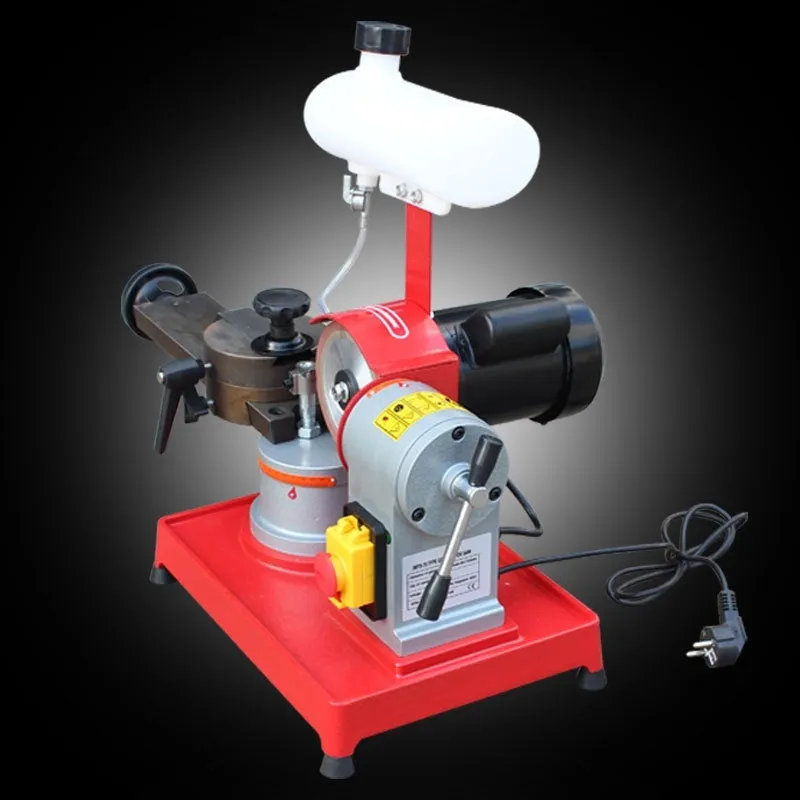
Woodworking workshops and professional carpenters require reliable tools to maintain their cutting equipment, particularly alloy circular saw blades that see regular use. This manual sharpedge grinding machine offers a practical solution for maintaining blade sharpness and tooth geometry without the complexity of larger automated systems. With its specific focus on alloy circular saw blade teeth grinding, the machine addresses the common workshop need for cost-effective blade maintenance. The 370W single-phase motor provides sufficient power for sharpening operations while remaining suitable for standard 220V workshop power supplies, making it accessible for various workshop environments.
Features and Construction

The grinding machine is built around core specifications that define its workshop application and performance parameters. Its construction prioritises functionality for the specific task of saw blade tooth sharpening, with adjustable components that accommodate different blade sizes and tooth configurations. The machine's design reflects practical workshop requirements where space efficiency and straightforward operation are valued alongside precise sharpening capability.
Material and Build
The machine incorporates alloy construction in its grinding components, chosen for its balance of durability and precision in sharpening applications. The inclusion of multiple metal gaskets for different blade inner diameters demonstrates attention to compatibility across common saw blade sizes. The 370W single-phase motor provides the mechanical power necessary for effective grinding operations while remaining suitable for standard workshop electrical systems. The grinding wheel rotates at 2800rpm, a speed selected to balance cutting efficiency with control during manual sharpening operations.
Size and Practical Fit
With overall dimensions of 770mm by 430mm by 300mm, the machine occupies a practical footprint on workshop benches or dedicated sharpening stations. Its size allows it to be positioned conveniently while providing sufficient stability for precise sharpening work. The grinding diameter range of 80mm to 700mm covers most common alloy circular saw blade sizes used in woodworking applications, from smaller trim blades to larger ripping blades. This range, combined with the included gaskets for 20mm, 22mm, 25.4mm, and 30mm inner diameters, ensures broad compatibility with workshop equipment.
Uses and Placement

The machine serves specific functions within workshop environments where blade maintenance directly impacts cutting quality and operational efficiency. Its manual operation model requires operator skill but offers greater control over the sharpening process compared to automated systems. The tool finds its place in the workflow between blade use and storage, serving as a maintenance station that extends the functional life of valuable cutting tools.
Event or Professional Use
For professional woodworking shops and carpentry businesses, regular blade maintenance represents both a cost-saving measure and a quality control practice. This grinding machine allows workshops to maintain their alloy circular saw blades in-house, reducing downtime associated with sending blades out for professional sharpening. The adjustable grinding angle of ±20° enables operators to match various tooth profiles, from standard cross-cut teeth to specialised rip-cut configurations. This flexibility supports professional applications where different cutting tasks require specific tooth geometries for optimal performance.
Everyday Home Use
For serious hobbyists and home workshop enthusiasts with multiple alloy circular saw blades, this machine provides a practical maintenance solution. The single-phase 220V power requirement makes it compatible with standard domestic power supplies, eliminating the need for specialised electrical installations. Home users can maintain their investment in quality saw blades, ensuring consistent cutting performance across woodworking projects. The manual operation model allows users to develop sharpening skills while providing the tactile feedback that helps prevent over-grinding or incorrect angles.
Benefits and Buying Value
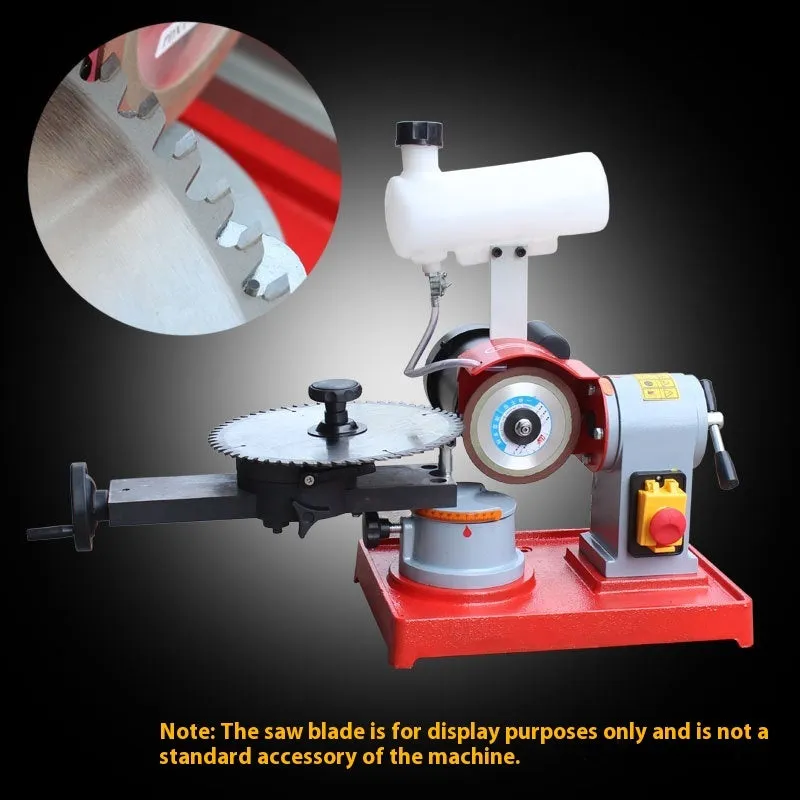
The grinding machine offers practical advantages through its specific design and operational parameters, addressing common workshop challenges related to tool maintenance. Its value emerges not through extravagant claims but through measurable specifications that align with real sharpening requirements. The machine represents a focused investment in workshop capability rather than a general-purpose tool, with its benefits tied directly to its specialised function.
Reuse and Low Maintenance
The machine supports the reuse of alloy circular saw blades through systematic sharpening, extending their functional life beyond what would be possible with simple replacement. This approach reduces material waste and recurring expenses associated with purchasing new blades. The machine itself requires minimal maintenance beyond basic cleaning and periodic checks of mechanical components, with its straightforward design avoiding complex systems that might require specialised servicing. The manual operation model eliminates electronic components that could fail, focusing instead on mechanical reliability.
Why Choose This Product
This grinding machine distinguishes itself through specific parameters that match common workshop requirements: the 80-700mm grinding diameter range covers most blade sizes, the ±20° angle adjustment accommodates various tooth profiles, and the 370W single-phase motor provides adequate power without specialised electrical needs. The inclusion of multiple inner diameter gaskets addresses the reality that workshops typically use blades with different mounting specifications. For operations prioritising hands-on control over automated processes, this manual machine offers the precision that comes from operator skill combined with appropriate mechanical design.