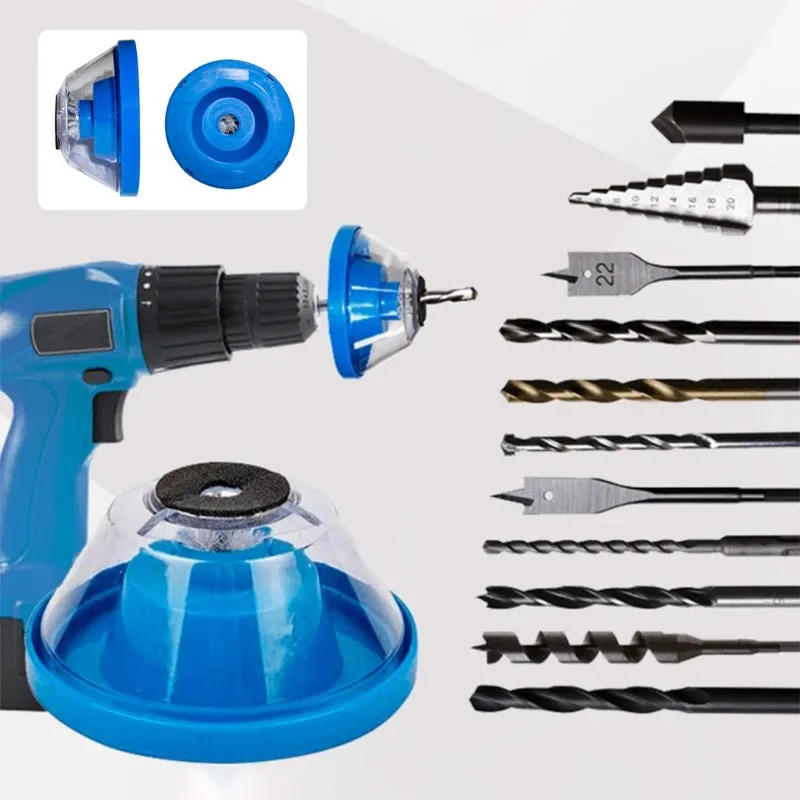
Electric Hammer Dust Cover attachment for household drill accessories dust collection tool with bowl-shaped PP plastic design measuring 88 x 50 x 44mm captures drilling debris from drywall wood metal concrete


Electric Hammer Dust Cover attachment for household drill accessories dust collection tool with bowl-shaped PP plastic design measuring 88 x 50 x 44mm captures drilling debris from drywall wood metal concrete
Electric Hammer Dust Cover: Bowl-Shaped Tool for Capturing Drilling Debris at 88 x 50 x 44mm
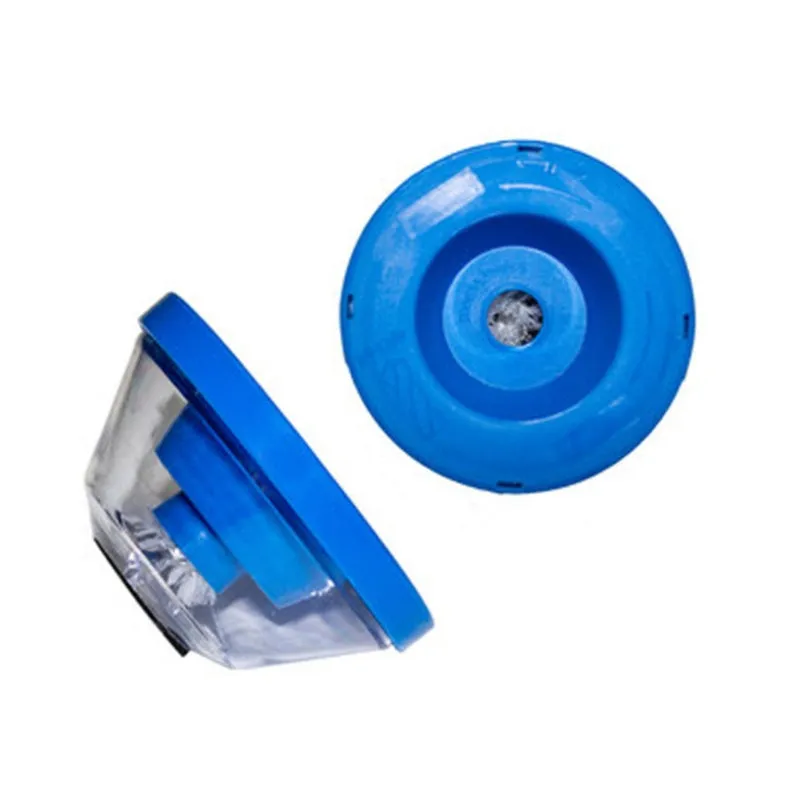
This electric hammer dust cover is a practical accessory designed to tackle the common problem of airborne dust and debris generated during drilling tasks. By attaching directly to your electric hammer or compatible drill, it aims to collect particles directly at the point of contact with materials like drywall, wood, metal, and concrete. Its core function is to contain the mess, which can help reduce cleanup time and improve visibility on the worksite or during DIY projects at home. The product's specifications, including its bowl-shaped design and stated dimensions, are detailed to provide a clear understanding of its physical form and intended application.
Features and Construction
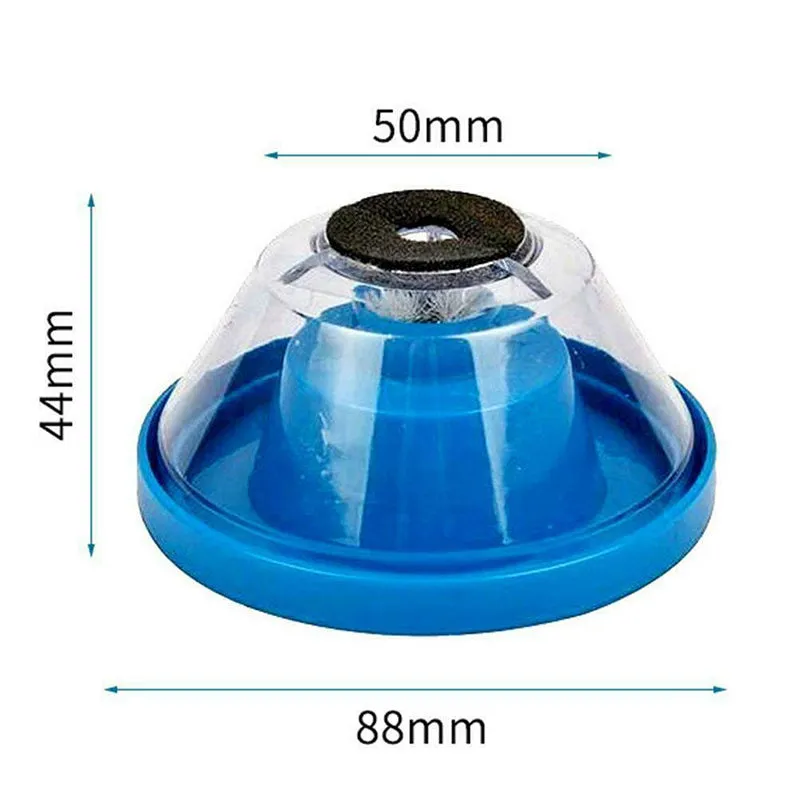
The dust cover's design is centred on its primary function of debris collection. Its construction and included features are oriented towards practicality during drilling operations, focusing on containment and user handling.
Material and Build
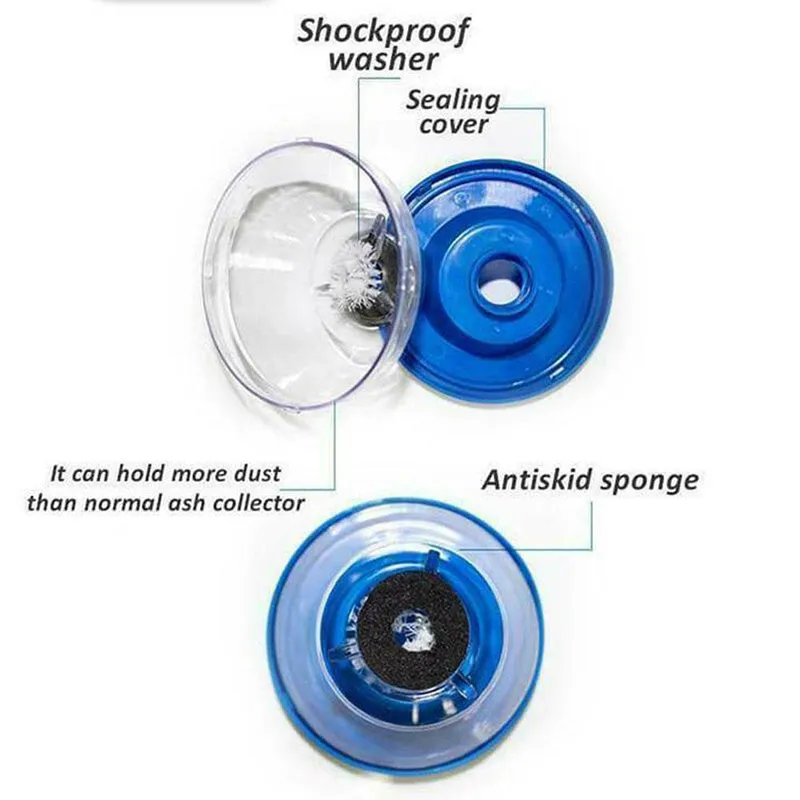
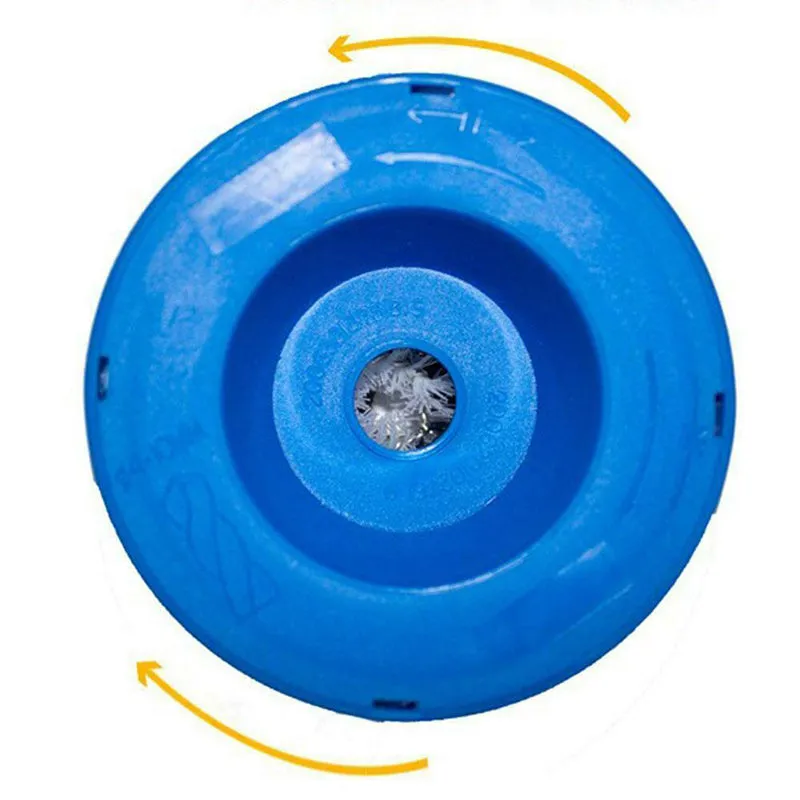
The main body of the dust cover is constructed from PP plastic, noted for creating a stable structure. This material forms the bowl-shaped design that houses the hollow cavity for collecting debris. The product also integrates two additional components: a non-slip sponge, which is intended to improve grip during use, and a shockproof and silent PVC gasket. This gasket is included to address vibration and noise damping, contributing to a more controlled handling experience.
Size and Practical Fit
The dust cover is provided with specific dimensions of 88mm in height, 50mm in width, and 44mm in depth. These measurements define the physical space of the collection cavity and the overall footprint of the accessory. The product is described as small and light, which is intended to make it convenient to use without adding significant bulk or weight to the tool. The design is noted for offering a larger capacity within its bowl shape.
Uses and Placement
This accessory is designed for use with drilling tools on various common building materials. Its application is defined by the materials it is stated to work with and its method of attachment.
Event or Professional Use
For professional tradespeople or on-site construction work, the dust cover offers a way to manage particulate debris generated from frequent drilling into drywall, wood, metal, and concrete. Containing dust at the source can contribute to a cleaner immediate work area, which may be beneficial for subsequent finishing work or for general site tidiness and air quality management during a project.
Everyday Home Use
For the home DIY enthusiast, this tool addresses the common hassle of dust spreading over furniture, floors, and surfaces during small projects like putting up shelves, installing fixtures, or making repairs. By capturing a portion of the debris directly, it can simplify post-task cleanup. Its lightweight nature and straightforward attachment aim to make it a practical addition to a household toolkit for occasional use.
Benefits and Buying Value
The value of this product lies in its targeted function of dust containment. Its benefits are derived from its stated design features and construction approach.
Reuse and Low Maintenance
As a reusable accessory made from PP plastic, sponge, and PVC, the dust cover is designed for multiple uses. Maintenance involves simply emptying the collected debris from its hollow cavity after drilling. The materials suggest it can be wiped clean if needed, supporting a low-maintenance profile focused on its primary collection task without requiring specialised care instructions.
Why Choose This Product
This dust cover presents a focused solution for anyone seeking to reduce the spread of drilling dust. Its value is based on its specific bowl-shaped design, its stated capacity to work with several common materials, and its inclusion of handling features like the non-slip sponge and damping gasket. It offers a dedicated physical method for debris management as an alternative to relying solely on ventilation or post-task cleaning.